Paver Installation in Carmel Valley, CA
Professional paver installation for patios, driveways, walkways, and pool decks throughout Carmel Valley. From backyard entertaining spaces to durable driveways built for the community's mesas and canyon-adjacent terrain, proper installation and local knowledge make the difference between pavers that last and pavers that fail early.
Paver Installation Services in Carmel Valley
Paver Patio Installation
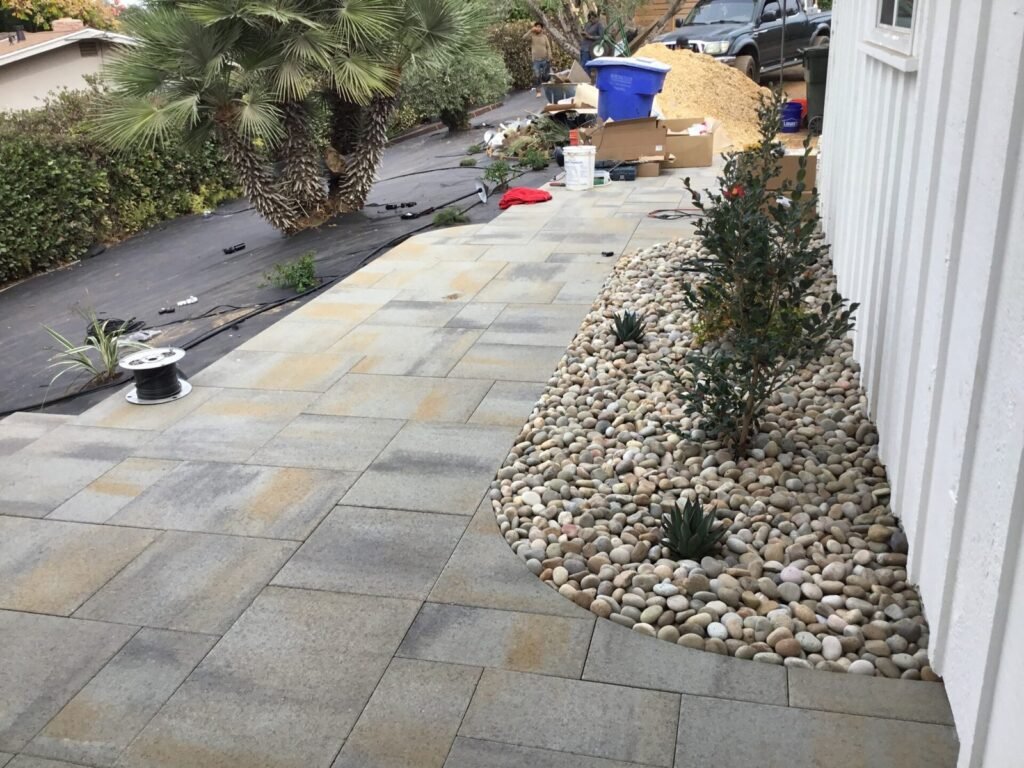
A backyard patio is one of the most popular paver projects for Carmel Valley homeowners. It creates a dedicated space for outdoor dining, entertaining, and everyday relaxation.
Paver Driveway Installation
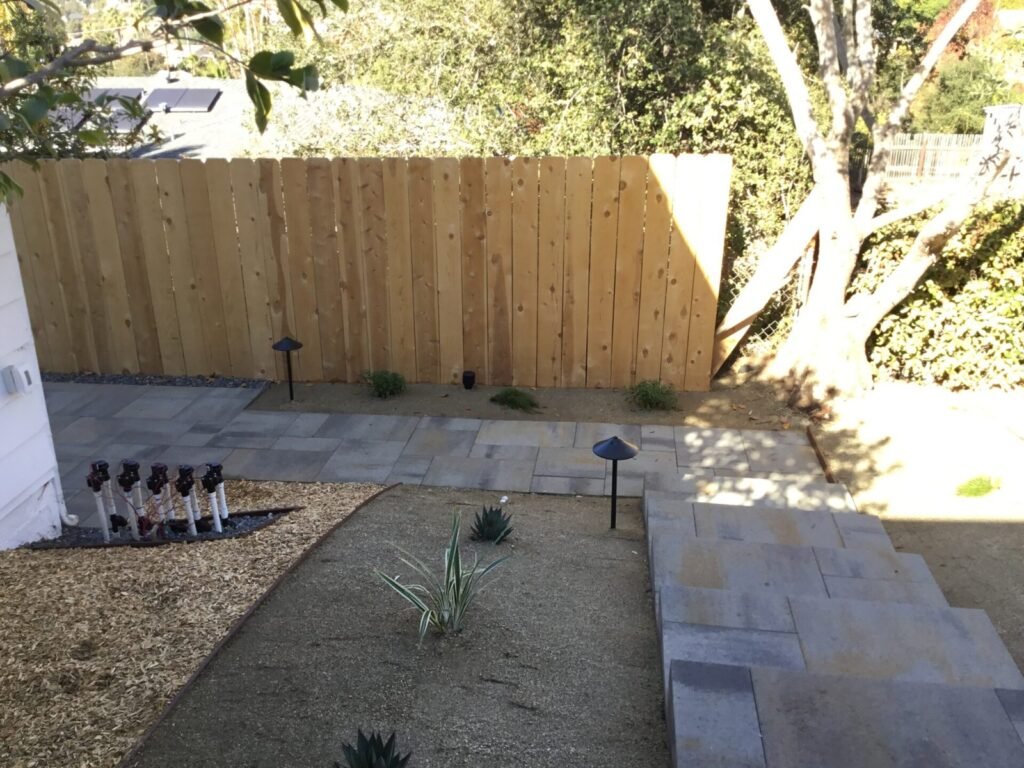
Driveways face different demands than patios. They need to support the regular weight of vehicles without shifting, cracking, or developing ruts over time.
Paver Walkway Installation
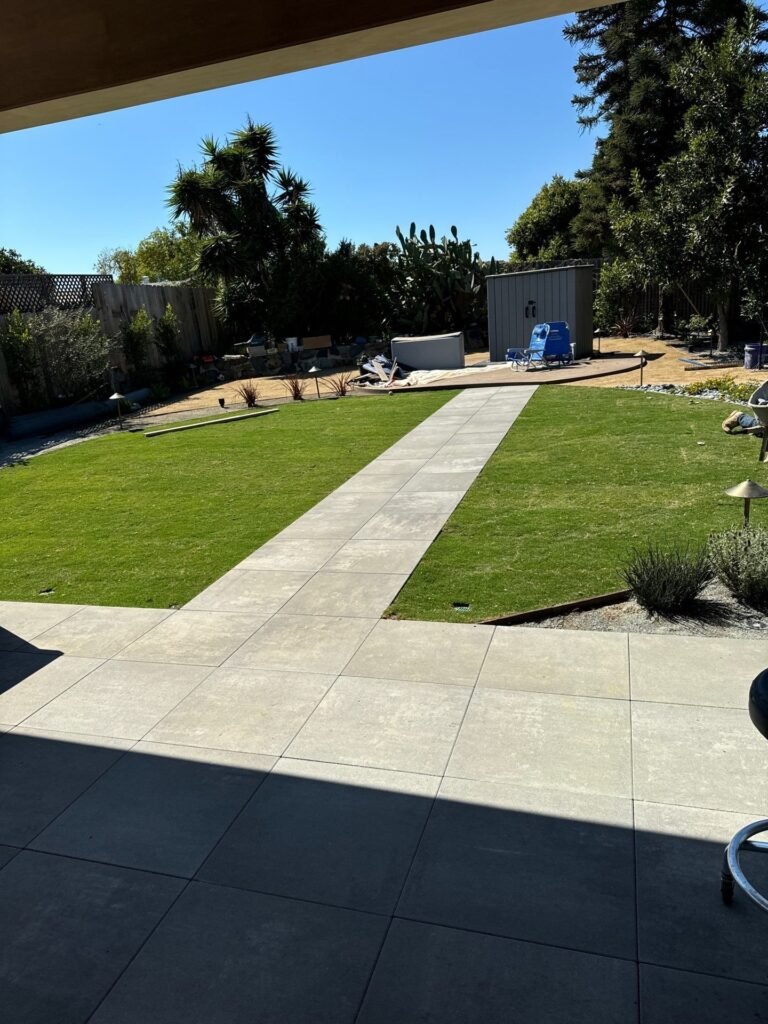
Walkways connect the practical and aesthetic sides of a property. Front walkways create a welcoming entry, while garden paths and side-yard walkways improve everyday usability.
Pool Deck Paver Installation
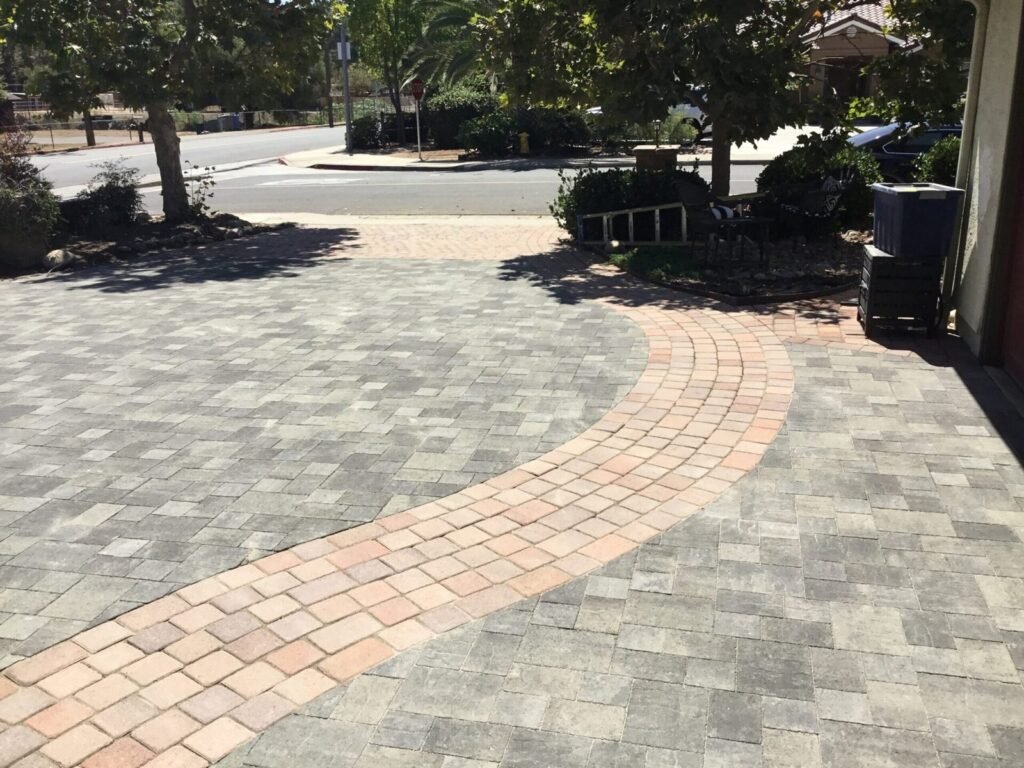
Pool decks have unique requirements that differ from patios and walkways. Constant water exposure means drainage has to be planned carefully to prevent standing water around the pool’s edge.
Paver Repair & Replacement
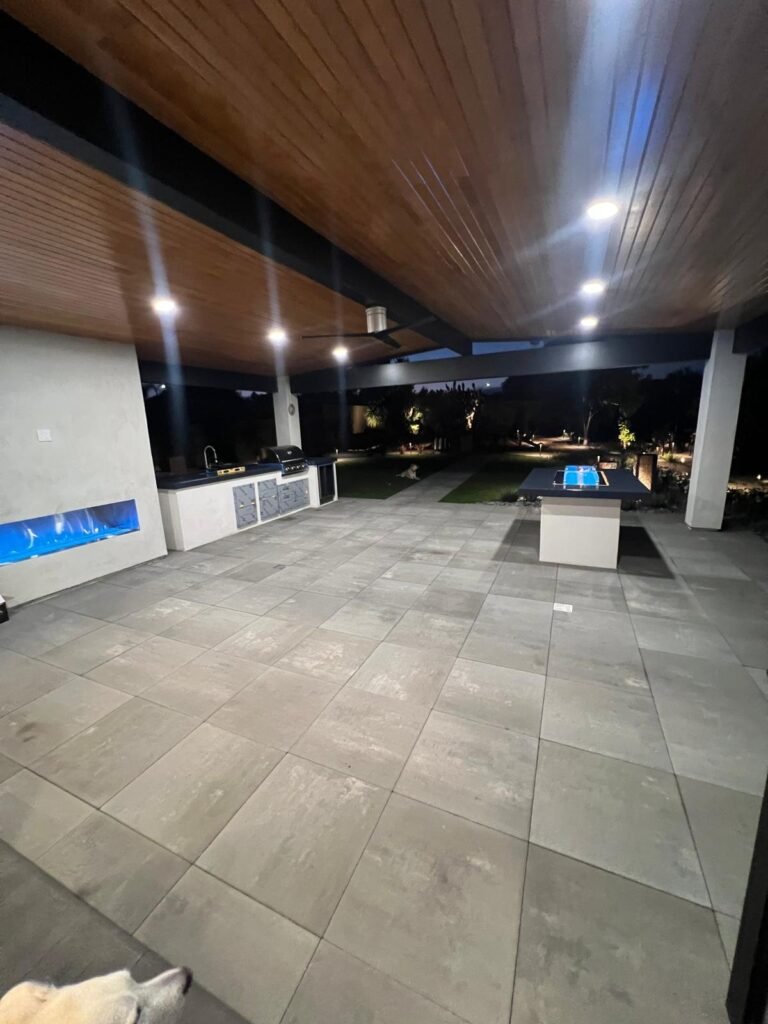
Even well-installed pavers can develop problems over time. Settling is one of the most common issues, often caused by base erosion, poor initial compaction, or shifting soil beneath the surface.
Paver Design
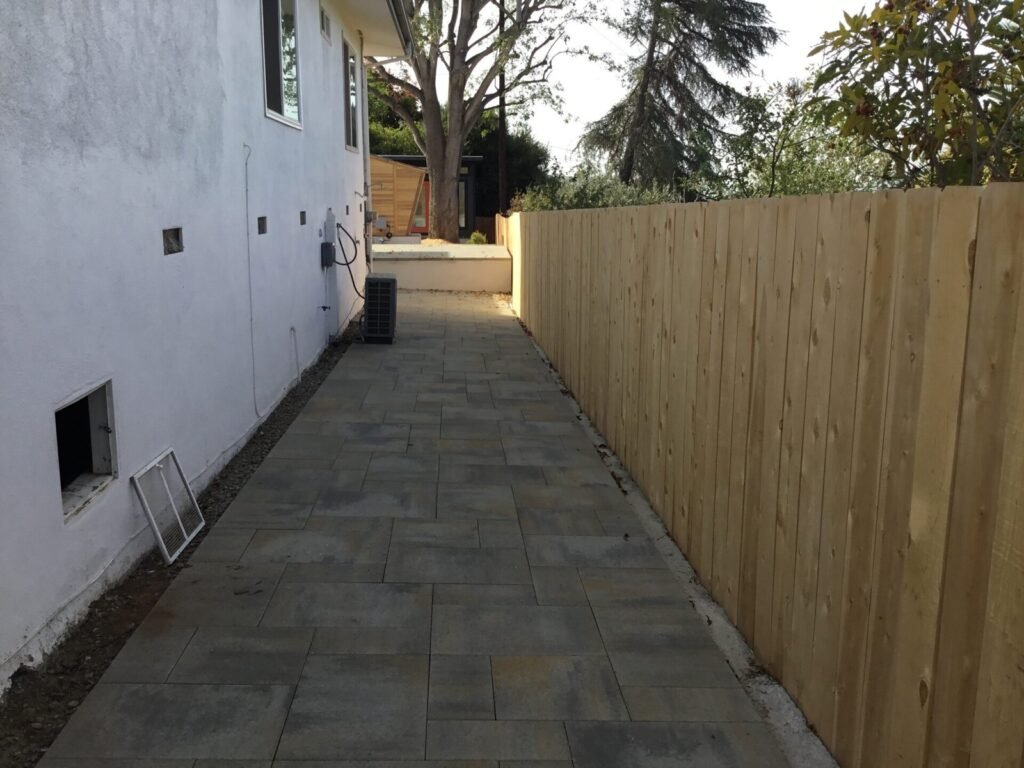
Design decisions shape both the look and long-term performance of a paver project. Color, pattern, and border selection all affect the finished appearance, from a simple running-bond pattern to more intricate herringbone or basketweave layouts.
Get a Free Paver Installation Estimate in Carmel Valley
Your family deserves outdoor spaces that make you proud and happy every single day. Let’s create something amazing together!
fill out our form for a free estimate
We’ll come to your property, listen to your ideas, and show you exactly how beautiful pavers can transform your outdoor spaces.
What Homeowners Should Know About Paver Installation in Carmel Valley
Paver installation involves more steps than most homeowners expect. Understanding the process helps explain why proper installation costs what it does, and why cutting corners leads to problems down the road.
Excavation and base preparation. The area is excavated to the correct depth for the project type, since driveways require deeper excavation and a thicker base than patios or walkways.
Compaction. Base material is compacted in layers to create a stable foundation. Skipping this step or under-compacting the base is one of the leading causes of paver settling.
Grading. The base and surface must be graded to direct water away from structures and toward appropriate drainage points, which is especially important on the mesa-top and canyon-adjacent lots common throughout Carmel Valley.
Edge restraints. Pavers need a solid edge restraint system to keep the surface from shifting or spreading outward over time, particularly on driveways subject to vehicle loads.
Joint sand. Sand swept into the joints between pavers locks the surface together and helps prevent shifting. Joint sand naturally settles over time and may need to be replenished periodically.
Paver thickness and material selection. Thicker pavers are generally used for driveways to handle vehicle weight, while thinner units may be appropriate for patios and walkways.
Site access and existing surfaces. Removal of old concrete, asphalt, or existing pavers adds time and cost to a project, and site access can affect how equipment and materials are brought to the work area.
Skipping or rushing any of these steps can lead to settling, uneven surfaces, paver movement, water pooling, or edge failure within a relatively short time after installation.
How Much Does Paver Installation Cost in Carmel Valley?
| Project Type | Typical Cost Range | Factors Affecting Price |
|---|---|---|
| Paver Patio | $17 – $30 per sq. ft. | Size, pattern complexity, base depth, drainage needs |
| Paver Driveway | $20 – $34 per sq. ft. | Base thickness, existing surface removal, slope, material |
| Paver Walkway | $16 – $27 per sq. ft. | Length, width, grade changes, edging |
| Pool Deck | $19 – $32 per sq. ft. | Slip-resistant material, drainage, heat-reflective color choice |
| Paver Repair | $300 – $1,600+ per project | Extent of damage, number of pavers, underlying cause |
Carmel Valley pricing generally falls between more typical inland San Diego County ranges and the higher end seen in coastal North County, reflecting its position as a well-established, higher-end master-planned community close to the coast.
These are broad industry ranges, not fixed quotes. Actual project pricing depends on the property, materials selected, site preparation required, and overall scope of work.
Factors That Affect Paver Installation Cost
- Total square footage of the project
- Paver material (concrete, clay brick, or natural stone)
- Paver thickness required for the application
- Pattern complexity (simple running bond vs. intricate layouts)
- Excavation depth and soil conditions
- Removal of existing concrete, asphalt, or pavers
- Base material and preparation requirements
- Drainage planning and grading
- Site access for equipment and material delivery
- Edge restraint type and installation
- Labor required for the scope of work
Local Carmel Valley Factors That Can Affect Cost
Properties in this community vary widely, so not every factor applies to every home. That said, several local conditions commonly come up during estimates:
- Mesa and canyon-adjacent lots. Carmel Valley’s terrain includes mesa tops, valleys, and lateral canyons with steep slopes in some areas, which affects excavation, grading, and drainage planning.
- Neighborhood variety. Carmel Valley spans a wide range of distinct neighborhoods, from Del Mar Mesa to Pacific Highlands Ranch to East Carmel Valley, each with different lot sizes and layouts.
- Existing hardscape removal. Many homes built since the 1980s have original concrete driveways or patios that need to be removed before new pavers can be installed.
- Property access. Some lots have limited side-yard or backyard access, which can affect how equipment and materials are moved to the work area.
- Pool areas. Homes with pools may need additional drainage and slip-resistance planning for deck projects.
Not every property has the same conditions, which is one reason an on-site assessment is more reliable than a generic estimate.
Why Detailed Estimates Matter
A detailed estimate starts with accurate measurements of the project area and an assessment of site conditions, including drainage and existing surfaces. It also accounts for the base preparation and material selection appropriate to the specific project.
Labor requirements and a clearly defined project scope help avoid unexpected costs once work begins. A vague or overly generalized estimate is more likely to lead to change orders or price increases mid-project.
Paver Installation in Carmel Valley, CA
Carmel Valley is a master-planned community in the northwestern part of San Diego, located along the Interstate 5 corridor between La Jolla and Del Mar. It is one of San Diego’s most established planned communities, built out primarily from 1983 onward.
Carmel Valley at a Glance
- Location: Northwestern San Diego, along the I-5 corridor, bordered by Los Peñasquitos Canyon to the south and close to Del Mar and the coast to the west
- Community characteristics: A master-planned community with corporate offices, hotels, shopping, and restaurants alongside residential neighborhoods, parks, and an extensive trail system
- Terrain: A mix of mesa tops, east-west trending valleys, and lateral canyons, with some slopes and eroded bluffs similar to those found near Torrey Pines
- Climate: Warm, dry Mediterranean-style climate typical of coastal-adjacent San Diego County, with mild temperatures year-round
- Housing: A wide range of housing styles across distinct neighborhoods, including single-family homes, condos, and townhomes, largely built from the 1980s through more recent decades
Why Carmel Valley Homeowners Choose Pavers
The combination of varied terrain and long-established residential neighborhoods creates strong demand for durable, well-drained outdoor surfaces. Patios extend usable living space into the backyard for dining and entertaining, while driveways see daily wear from vehicles navigating the community’s mesa and canyon-adjacent streets.
Walkways connect homes to the street safely across properties that often have grade changes between the sidewalk and front entry. Pool decks benefit from slip-resistant, heat-conscious paver materials given the area’s sunny climate.
Beyond function, pavers offer long-term curb appeal and design flexibility that complements the varied architectural styles found across Carmel Valley’s many master-planned neighborhoods.
Why Homeowners in Carmel Valley May Need Paver Services
The community’s mesa-and-canyon terrain means drainage planning is especially important. Water that isn’t directed properly away from a home or patio can pool near foundations or erode base material beneath hardscape surfaces over time.
Sloped lots are common in parts of the community, which affects how driveways, walkways, and patios need to be graded during installation. A surface that isn’t properly sloped can develop drainage problems that weren’t obvious on installation day.
Many homes in Carmel Valley were built decades ago, meaning existing concrete driveways, patios, and walkways may be reaching the point where cracking, settling, or general wear make replacement with pavers a practical upgrade.
Established landscaping on many properties also means paver projects often need to be planned around existing trees, plant beds, and irrigation systems, which requires careful site assessment before work begins.
Why Choose Paver Installation Carmel Valley?
Local Knowledge of Carmel Valley Properties
Understanding the mesa-and-canyon terrain, wide range of neighborhoods, and variety of housing styles found throughout Carmel Valley helps inform planning for excavation, drainage, and grading before work begins.
Quality Materials and Installation Practices
Material selection and installation methods are matched to the specific project, whether it’s a driveway that needs to handle vehicle loads or a pool deck that needs slip-resistant, heat-conscious paving.
Proper Site Preparation
Excavation, grading, and compaction are treated as the foundation of every project, not an afterthought, because they determine whether a paver surface holds up over the years ahead.
Clear Communication
Homeowners receive clear explanations of the project scope, timeline, and pricing before work begins, with straightforward answers to questions throughout the process.
Homeowner-Focused Service
Every project starts with listening to what the homeowner wants to achieve, then building a plan around the property’s specific conditions and the homeowner’s goals.
Areas We Serve Near Carmel Valley
In addition to Carmel Valley, paver installation services are available to homeowners throughout the surrounding communities, including:
Service is provided to homeowners across these communities; this does not imply a physical office location in each area.
Need Help?
Frequently Asked Questions About Paver Installation in Carmel Valley
Below are some of the most common questions we get from families about Pavers.
How much does paver installation cost in Carmel Valley?
Patios typically run $17 to $30 per square foot installed, while driveways run $20 to $34 per square foot due to thicker base requirements and heavier-duty pavers needed for vehicle loads. A mid-size 300-square-foot patio generally lands between $5,100 and $9,000, and a 400-square-foot driveway typically falls between $8,000 and $13,600. Carmel Valley pricing tends to sit between more typical inland ranges and the higher end seen in coastal North County, reflecting the community’s established, higher-end character.
Do I need a permit for a paver patio or driveway?
Carmel Valley is within the City of San Diego, so permitting falls under the City of San Diego Development Services Department. Standalone at-grade patios are commonly exempt from a building permit, while driveway work that ties into the public right-of-way (curb, gutter, or apron) or involves drainage changes typically does require one. Because permit rules depend on the specific project and property, it’s best to confirm requirements with the city before work begins.
How long does paver installation take?
Most patios in the 300 to 600 square foot range take about 4 to 6 days to install once excavation starts, with a typical crew of 4 to 6 people. Full driveway projects or larger combined patio-and-driveway packages usually take 1 to 3 weeks of on-site work, and 4 to 6 weeks for larger or more complex hardscape packages. Design, material selection, and any permitting add time before installation begins.
How thick does the base need to be for a driveway versus a patio?
Driveways generally require 6 to 8 inches of compacted base material to support vehicle weight without rutting or settling, while patios typically need 4 to 6 inches since they only carry foot traffic and furniture. Skimping on base depth is one of the most common causes of early paver failure, especially under a driveway. Properties on Carmel Valley’s sloped or mesa-edge lots may need additional base engineering to account for grade.
How long do pavers last?
Properly installed pavers commonly last 25 years or more, and many hold up for several decades with routine maintenance. Longevity depends heavily on base compaction quality, drainage, and periodic upkeep like joint sand replenishment. Pavers that fail early, often within just a few years, are usually a sign of inadequate base preparation rather than a problem with the paver material itself.
Is it cheaper to install pavers over existing concrete, or remove it first?
In most cases, existing concrete driveways, patios, and walkways need to be removed before new pavers go in, since the excavation and base work underneath is what actually supports the pavers long-term. Removal typically adds a few dollars per square foot to the project cost. Attempting to install pavers directly over an existing slab without proper preparation can lead to drainage problems and an uneven finished surface.
Why do pavers sink or become uneven over time?
The most common cause is inadequate base compaction during the original installation, followed by base erosion from poor drainage and shifting soil beneath the surface. On Carmel Valley’s mesa and canyon-adjacent lots, improperly graded drainage can accelerate settling if water is allowed to collect near the base. Correcting uneven pavers usually involves lifting the affected units, rebuilding the base, and resetting them rather than a surface-level fix.
Contact Paver Installation Carmel Valley Today!
Homeowners throughout Carmel Valley and the surrounding communities can count on professional paver installation backed by an understanding of the area’s mesa-and-canyon terrain, drainage needs, and range of property types.
Whether the project is a new backyard patio, a driveway replacement, a walkway upgrade, or a pool deck built for comfort and safety, every project starts with a free, no-pressure consultation. Help is available with material and design decisions, from selecting the right paver thickness for a driveway to choosing colors and patterns that complement the home.
Get a price range before you get a quote
Six calculators built on the 2026 figures published on this site. Enter your details, see the range, understand what moves it.