Paver Walkway Installation in Carmel Valley, CA
Professional paver walkway installation for front entries, garden paths, side yards, and pool approaches. A well-built walkway improves daily function and curb appeal, but only when site preparation and drainage are handled correctly from the start.
What Is Paver Walkway Installation?
Paver walkway installation is a layered process. It starts with excavating the path area to a depth appropriate for foot traffic, which is typically shallower than what’s required for a driveway but still needs to reach stable soil.
A compacted aggregate base is installed in the excavated area. This base layer is what actually carries the load of foot traffic and prevents the pavers above it from shifting, sinking, or settling unevenly.
Grading is built into the base so that water moves off the walkway surface and away from the home rather than collecting in low spots. On a narrow surface, even a small grading error can create a noticeable puddle after rain.
Edge restraints are installed along both sides of the walkway. Because a walkway is narrow, the pavers along its edges are more exposed to lateral movement than they would be on a wider surface, so restraints are essential to keeping the sides from spreading.
Once the base is compacted and edging is set, pavers are placed according to the chosen pattern, cut to fit any curves or transitions, and joint sand is swept into the gaps and compacted to lock the surface together.
Skipping or rushing any of these steps — especially base compaction and grading — is the most common reason walkways fail early, showing up as settling, uneven pavers, tripping hazards, or water pooling along the path.
Paver Walkway Services in Carmel Valley
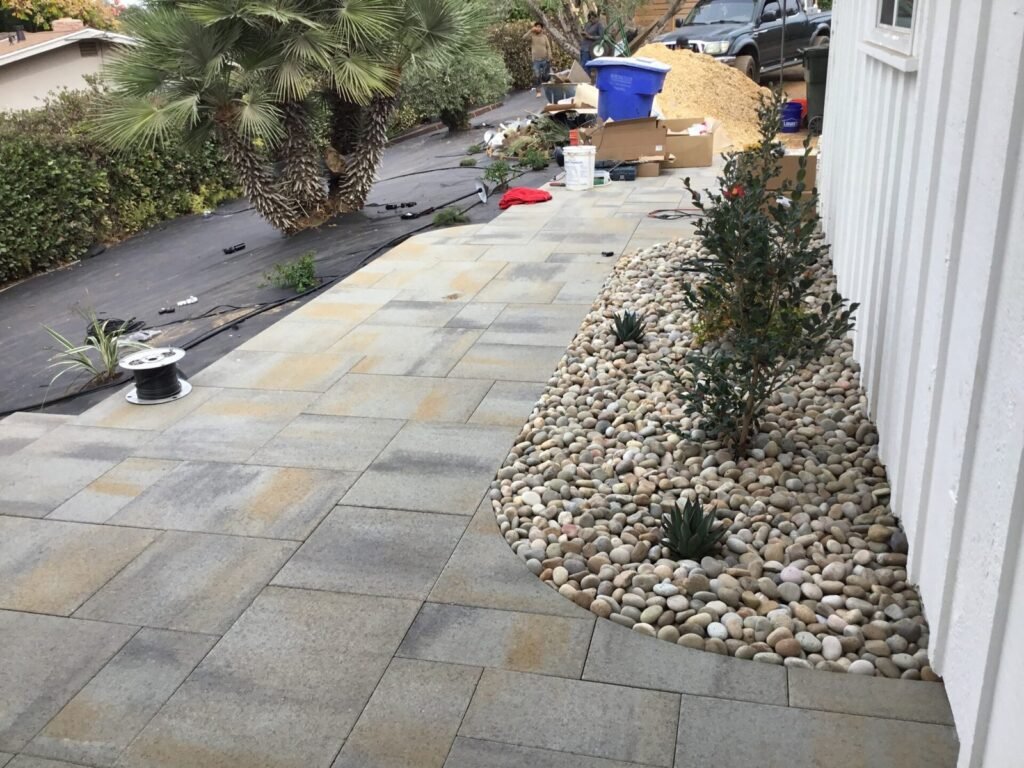
Front Entry & Approach Walkways
A front walkway is often the first hardscape feature a visitor notices, connecting the driveway or street to the front door. Layout and width matter here — a path that’s too narrow can feel cramped, while a well-proportioned approach improves both curb appeal and everyday use.
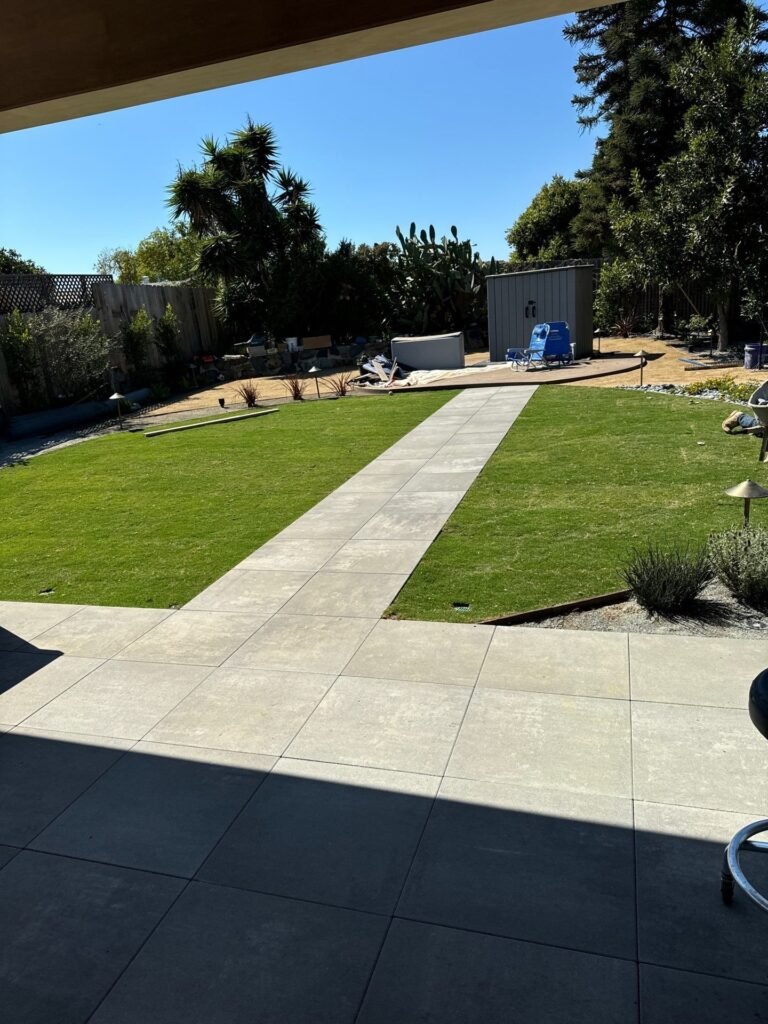
Pool Approach & Backyard Walkways
Walkways leading to a pool or connecting a patio to other parts of the backyard need a stable, even surface, since these areas are frequently walked barefoot or with wet feet. Material selection can factor in slip resistance for these routes.
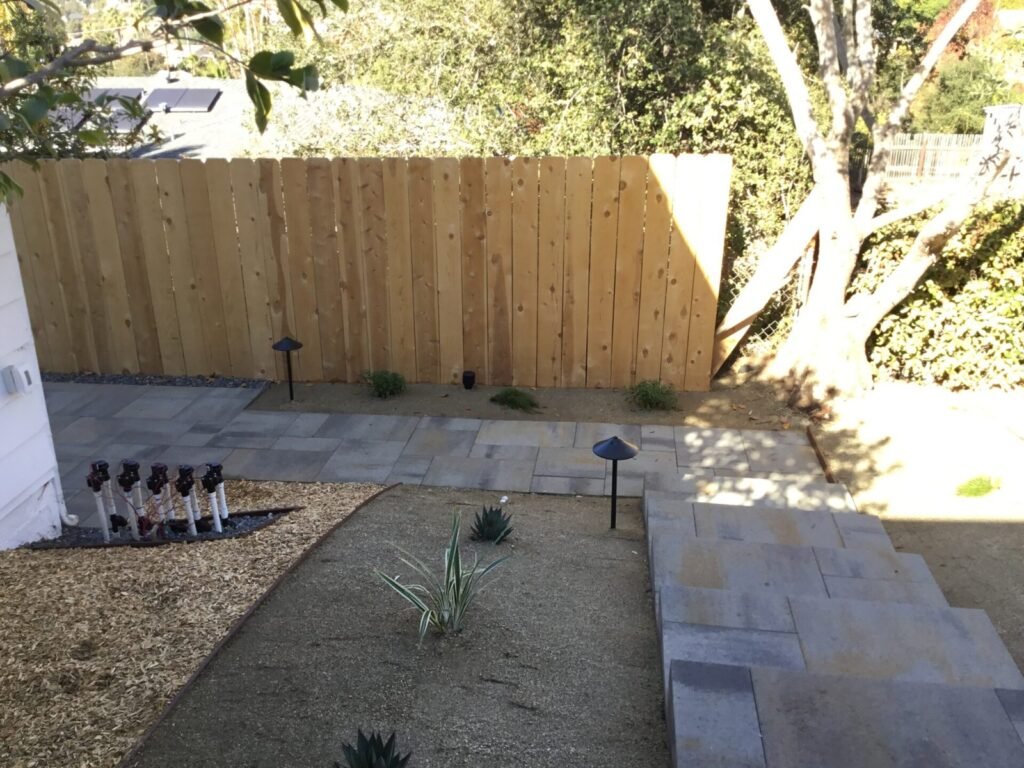
Garden & Side-Yard Walkways
Garden paths and side-yard walkways typically see lighter, more casual use than a front entry path, which allows for more flexibility in layout, including curves and stepping-stone-style designs.
Walkway Extensions & Reconfigurations
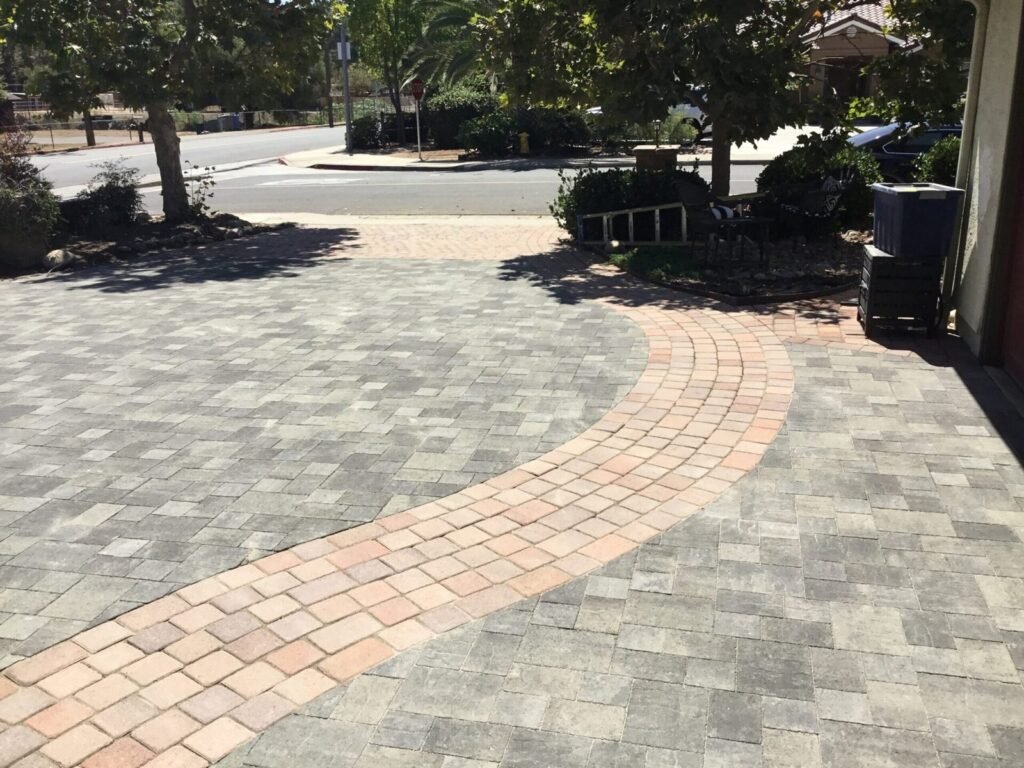
Existing walkways can be extended to reach a new area of the yard or reconfigured if the original layout no longer fits how the space is used. Matching the original paver material and pattern is possible when the paver line is still available, though color variation between older and newer pavers can occur.
Safe Pedestrian Surface Design
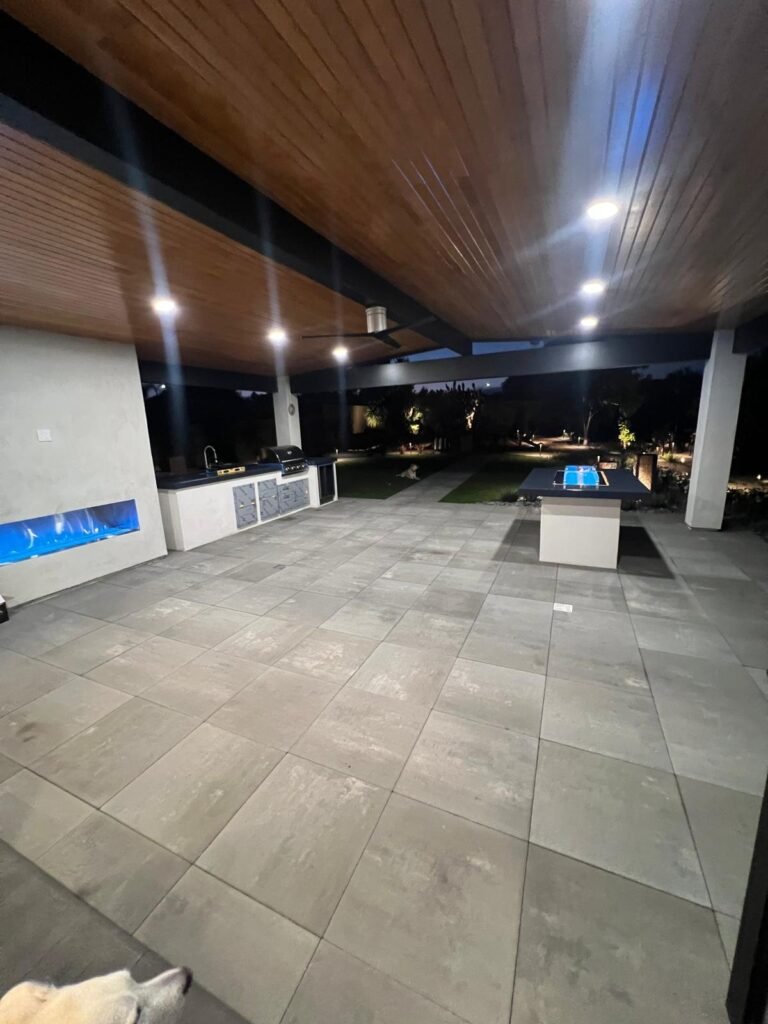
Beyond appearance, a walkway’s surface texture and paver spacing affect how safe it is to walk on, particularly in areas that get wet from irrigation, rain, or pool splash-out. These considerations are part of material and pattern selection, not an afterthought.
Landscape Integration
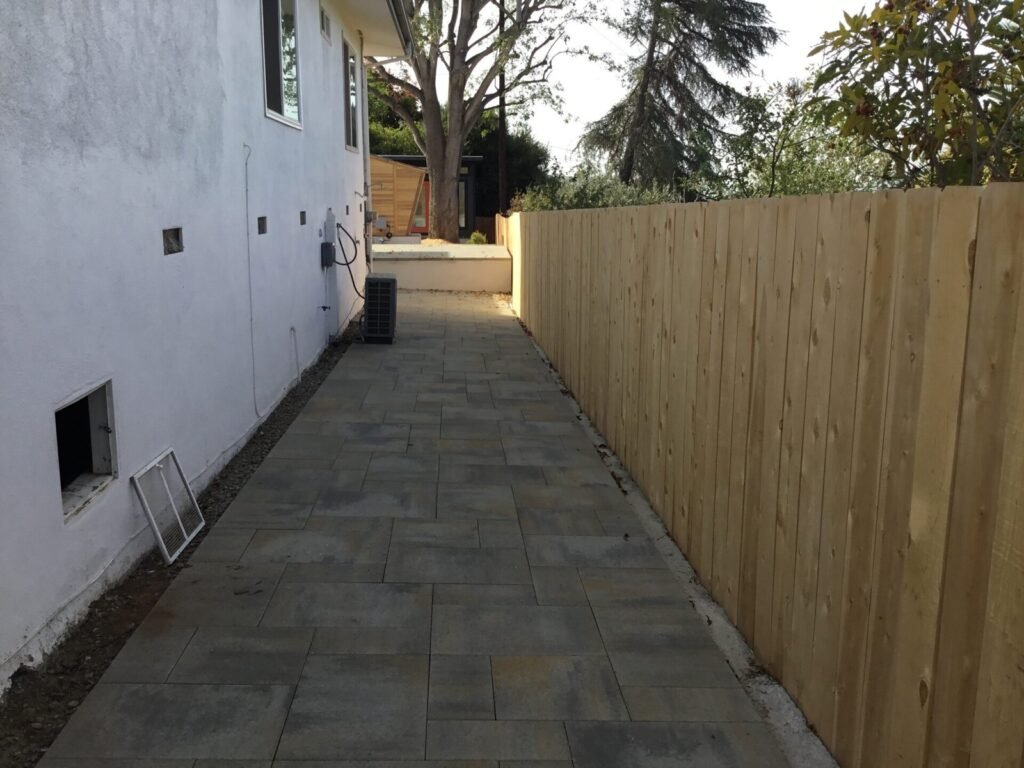
Walkways are rarely installed in isolation — they typically run alongside planting beds, lawn areas, or irrigation lines. Careful excavation and edging help protect existing landscaping while still giving the walkway a clean, defined border.
Get a Free Paver Walkway Installation Estimate in Carmel Valley
Your family deserves outdoor spaces that make you proud and happy every single day. Let’s create something amazing together!
fill out our form for a free estimate
We’ll come to your property, listen to your ideas, and show you exactly how beautiful pavers can transform your outdoor spaces.
Paver Walkway Installation in Carmel Valley, CA — Local Overview
Carmel Valley at a Glance
- Location: Coastal North City San Diego, roughly 3–5 miles inland from the Pacific Ocean, within ZIP code 92130
- Bordering communities: Del Mar, Rancho Santa Fe, Fairbanks Ranch, Rancho Peñasquitos, and Torrey Pines
- Sub-communities within 92130: Pacific Highlands Ranch, Torrey Hills, Del Mar Mesa, Carmel Country Highlands, Torrey Highlands, and Ashley Falls
- Housing character: Primarily master-planned residential development, including single-family homes, townhomes, and condominiums built from the 1990s onward
- Terrain: Coastal mesa and canyon topography, with several neighborhoods bordering natural canyons and sloped lots
- Climate: Mild, marine-influenced coastal climate with limited rainfall concentrated in winter months
Why Carmel Valley Homeowners Choose Paver Walkways
Carmel Valley’s master-planned neighborhoods often feature defined front entries, side-yard access paths, and backyard spaces that connect to patios or pools — all areas where a durable, well-designed walkway improves daily function.
Homes on canyon-adjacent or sloped lots may need a walkway route planned around grade changes. Properties with mature landscaping benefit from careful path planning that works with, rather than against, existing plantings and irrigation.
Because outdoor living and entertaining are common in the area, walkways are often designed to tie together a driveway, front entry, patio, and pool area into one connected outdoor layout.
How Much Does Paver Walkway Installation Cost in Carmel Valley?
| Project Type | Typical Cost Range | Factors Affecting Price |
|---|---|---|
| Short/narrow walkway (garden or side-yard path) | $1,500 – $4,000 | Length, width, paver type, site access |
| Standard front entry walkway | $3,000 – $7,000 | Length, pattern complexity, border/edging details |
| Extended or wide walkway (pool approach, multi-area connector) | $5,000 – $12,000+ | Total square footage, material, grading needs, curves |
These are broad industry ranges. Actual pricing depends on the specific site conditions, materials selected, and project scope — not a flat per-square-foot rate.
Factors That Affect Paver Walkway Installation Cost
- Total length and width of the walkway
- Paver material and thickness
- Pattern complexity (straight run vs. herringbone, curves, borders)
- Excavation depth and soil conditions
- Removal of an existing concrete or paver surface
- Base material and compaction requirements
- Drainage and grading needs
- Site access for equipment and material delivery
- Edging and border details
- Labor required for cutting and fitting
Local Carmel Valley Factors That Can Affect Cost
Some Carmel Valley properties have sloped side yards or canyon-adjacent lots that require additional grading before a walkway can be installed safely. Not every property has this condition, but it’s common enough in the area to plan for.
Existing landscaping and irrigation lines are also a factor. Many homes in master-planned neighborhoods have mature plantings close to where a walkway would run, which can add care and time during excavation.
Properties with limited side-yard access may require materials to be moved by hand rather than by machine, which can affect labor time on narrower path projects.
Why Detailed Estimates Matter
An accurate walkway estimate depends on actual measurements, not a rough square-footage guess. Site conditions like slope, existing surfaces, and soil type all affect how much base preparation is required.
A detailed estimate also accounts for material selection, drainage needs, and the labor required for the chosen pattern. This is what allows a homeowner to see a clear project scope up front and avoid unexpected costs once work begins.
Types of Pavers for Walkways
| Paver Type | Typical Use on Walkways | Considerations |
|---|---|---|
| Concrete Pavers | Front, side-yard, and garden paths | Wide range of colors/shapes; cost-effective; good durability |
| Brick Pavers | Traditional front entry walkways | Classic look; consistent sizing; can be more prone to chipping than concrete |
| Natural Stone Pavers | Garden paths, upscale entries | Unique variation, natural texture; typically higher material cost |
| Porcelain Pavers | Pool-approach and modern walkways | Very low porosity, consistent appearance; requires careful installation |
| Interlocking Pavers | Any walkway needing a stable, tight-fitting surface | Strong interlock reduces shifting; wide pattern flexibility |
| Large-Format Pavers | Wide, modern front walkways | Fewer joints for a cleaner look; heavier units affect handling and cost |
No single paver type is universally “best” for a walkway — the right choice depends on the path’s location, expected foot traffic, and how it needs to coordinate with the rest of the property’s hardscape.
Paver Design Options for Carmel Valley Walkways
Common layout and pattern options for walkways include:
- Running bond — a simple, linear pattern that suits straight, formal paths
- Herringbone — an interlocking pattern that adds visual interest and strength
- Basketweave — a classic pattern often used on traditional front walkways
- Stepping-stone style — individual paver sets spaced within grass or gravel, common for garden paths
- Curved layouts — routes that follow the natural shape of a yard rather than a straight line
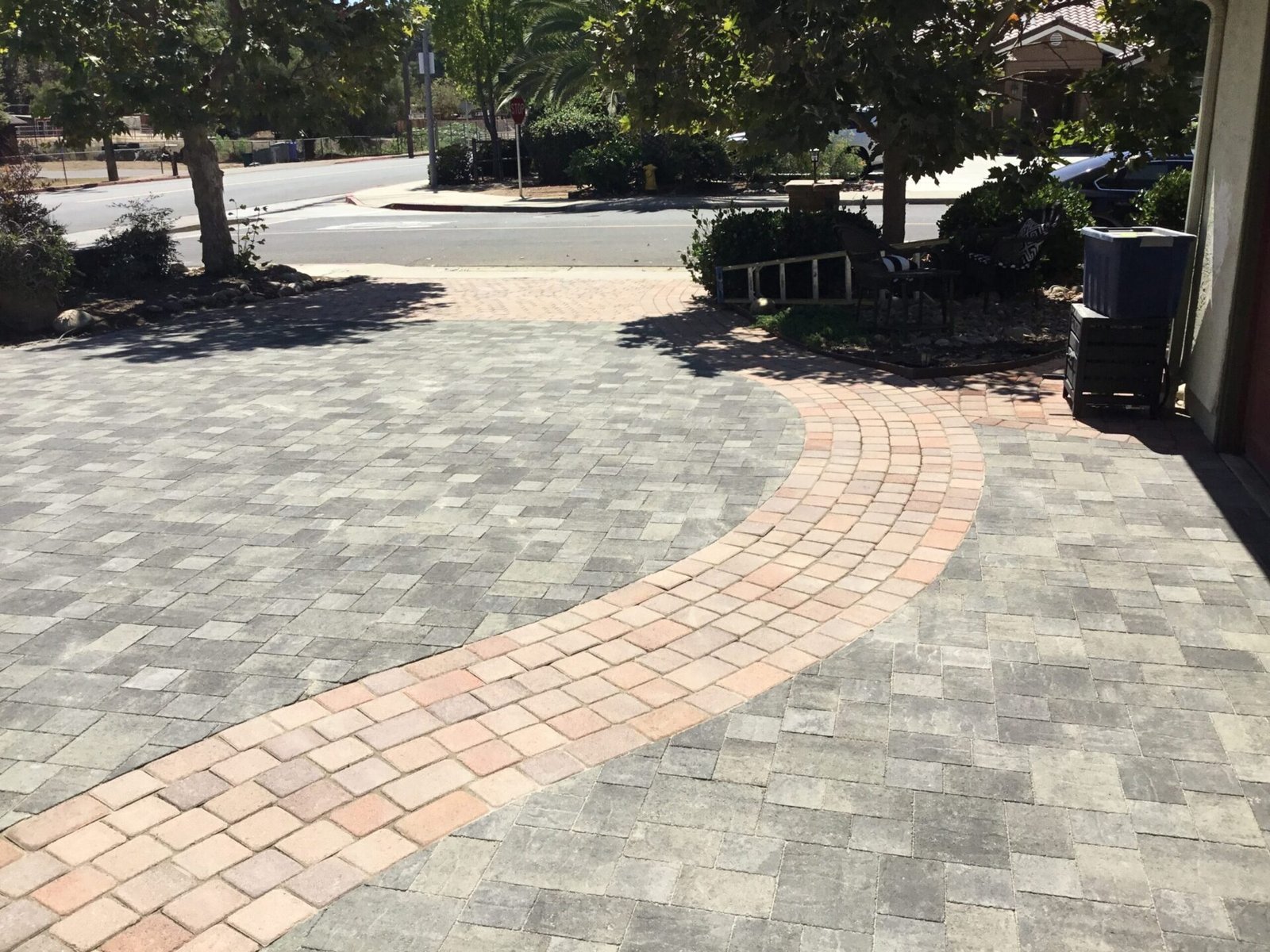
- Contrasting borders — a different paver color or size framing the main walkway surface
Pattern choice affects more than appearance. Complex patterns like herringbone often require more cutting around the walkway’s edges, which can affect labor time. Curved layouts also increase the amount of paver cutting needed compared to a straight run.
Why Choose Paver Installation Carmel Valley?
Local Knowledge of Carmel Valley Properties
We understand the terrain, soil conditions, and landscaping considerations common to Carmel Valley’s master-planned neighborhoods, including sloped lots and canyon-adjacent properties.
Quality Materials and Installation Practices
We install walkways using proper excavation, base compaction, and grading practices designed to support long-term performance rather than just short-term appearance.
Attention to Site Preparation
We treat base preparation and drainage planning as the foundation of every walkway project, not a step to rush through to get to paver placement.
Clear Communication From Start to Finish
We walk homeowners through design options, materials, and project scope before work begins, so there are no surprises about what the finished walkway will look like.
Homeowner-Focused Service
Every property and every walkway route is different. We base our recommendations on your specific site conditions rather than a one-size-fits-all approach.
Areas We Serve
We provide paver walkway installation for homeowners throughout Carmel Valley and the surrounding communities, including:
- Rancho Peñasquitos
- Rancho Bernardo
- Rancho Santa Fe
- Carmel Valley
- Del Mar
- Solana Beach
- Fairbanks Ranch
- Scripps Ranch
Need Help?
Frequently Asked Questions About Paver Walkway Installation in Carmel Valley
Below are some of the most common questions we get from families about Pavers.
How much does paver walkway installation cost in Carmel Valley?
Most walkway projects range from about $1,500 to $12,000 or more, depending on length, width, paver material, and site conditions. A short garden path costs far less than a wide front-entry walkway with a decorative pattern and border. Getting a site-specific estimate is the only way to know actual pricing for a given project.
How long does paver walkway installation take?
Timelines vary based on the length of the walkway, the complexity of the pattern, and site conditions like existing surface removal or grading needs. A straightforward, short walkway may take a day or two, while a longer or more complex project can take several days.
How long do paver walkways last?
With proper base preparation and reasonable maintenance, paver walkways are designed for long-term use, though actual lifespan depends on installation quality, material, traffic, drainage, and climate. We don’t guarantee a specific number of years for every project since these variables differ by property.
What paver type works best for a front entry walkway?
There isn’t a single “best” option — concrete, brick, and natural stone pavers are all common for front entries. The right choice depends on the look you want, your budget, and how the walkway coordinates with your driveway or existing hardscape.
Can individual damaged pavers be replaced?
In most cases, yes. One of the practical advantages of a paver walkway is that a single cracked or stained paver can typically be removed and replaced without disturbing the rest of the path.
Do paver walkways need to be sealed?
Sealing is optional rather than required. Some homeowners choose to seal their pavers for added stain resistance, but an unsealed paver walkway can still perform well with routine cleaning and joint sand maintenance.
Why do walkway pavers become uneven over time?
Uneven pavers are usually the result of an inadequately compacted base, poor drainage, or soil movement beneath the surface. Because walkways are narrow, even minor base issues can become noticeable more quickly than on a larger surface.
Contact Paver Installation Carmel Valley Today!
If you’re planning a new front walkway, garden path, or pool-approach walkway, we can help you choose the right materials, pattern, and layout for your property. Every site is different, so every estimate is based on your actual conditions — not a generic price list.
We offer free, no-pressure consultations and estimates for homeowners throughout Carmel Valley and the surrounding communities, including Rancho Peñasquitos, Rancho Bernardo, Rancho Santa Fe, Del Mar, Solana Beach, Fairbanks Ranch, and Scripps Ranch.
Work out your walkway cost in a minute
Length, width, curves and level changes drive the number more than area does. Try it with your own path.