Paver Patio Installation in Carmel Valley, CA
Turn your backyard into a functional outdoor living space with a professionally installed paver patio. We handle everything from site preparation to final design, creating durable patios built for everyday use and outdoor entertaining.
What Is Paver Patio Installation?
Paver patio installation is a multi-step process that starts well before any pavers are placed. The area is first excavated to the appropriate depth for the intended use.
A compacted aggregate base is installed beneath the pavers. This base layer is what actually supports the weight of the patio and prevents shifting over time.
Proper grading directs water away from the home and across the patio surface instead of allowing it to pool. This step is easy to overlook but critical to long-term performance.
Edge restraints are installed along the perimeter to keep pavers from spreading or drifting outward. Without them, even a well-built patio can loosen at the edges over time.
Once the base is compacted and edging is in place, pavers are laid according to the chosen pattern. Joint sand is then swept into the gaps and compacted to lock the surface together.
Skipping or rushing any of these steps is one of the most common reasons patios fail early — through settling, uneven sections, or standing water.
Paver Patio Services We Offer
Custom Paver Patio Design
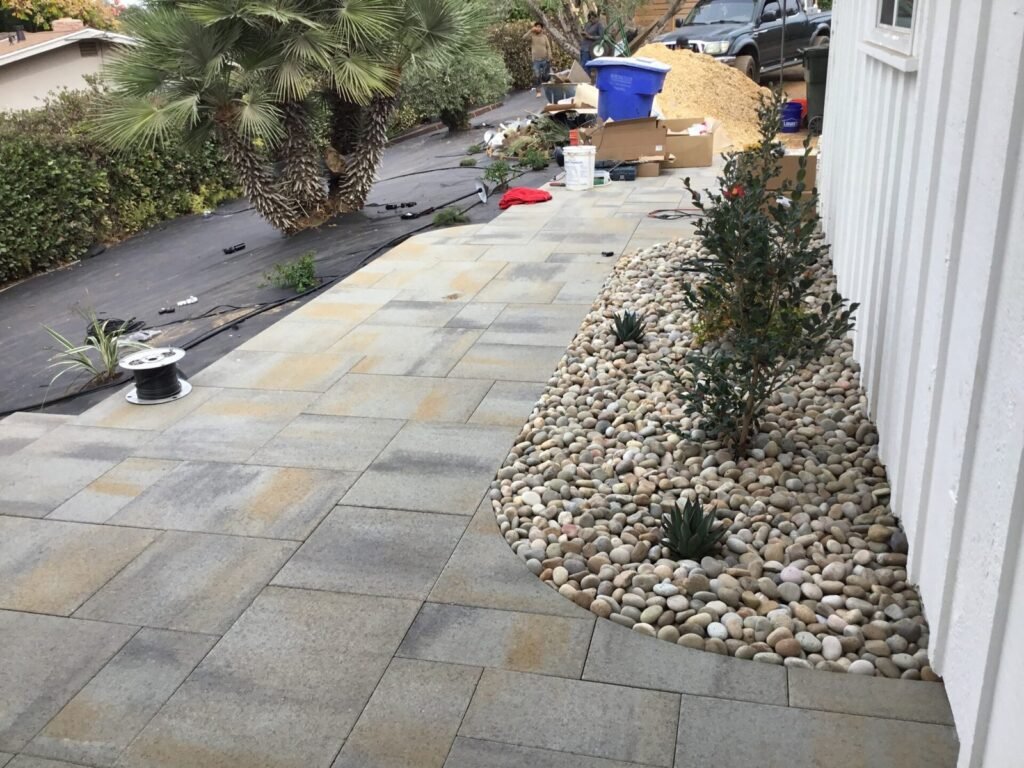
We plan patio layouts around the actual shape and use of your backyard, including pattern, color, and border selection to fit your home’s style.
New Paver Patio Installation
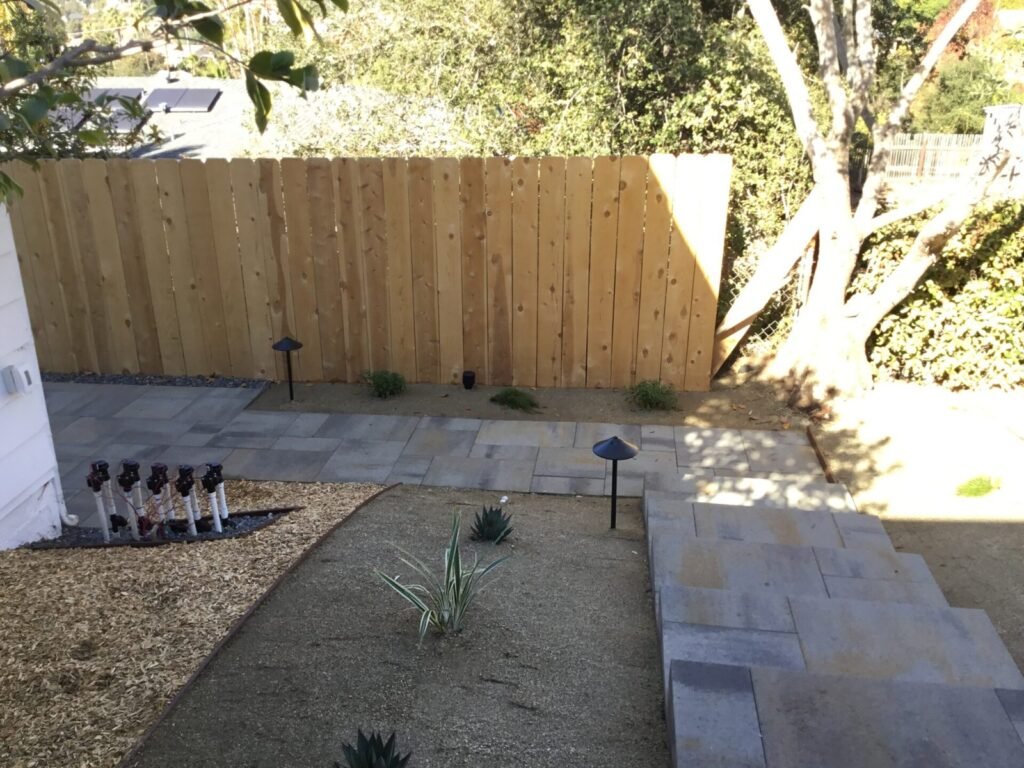
Full installation of a new patio from excavation and base preparation through final paver placement and joint sand compaction.
Paver Patio Extensions
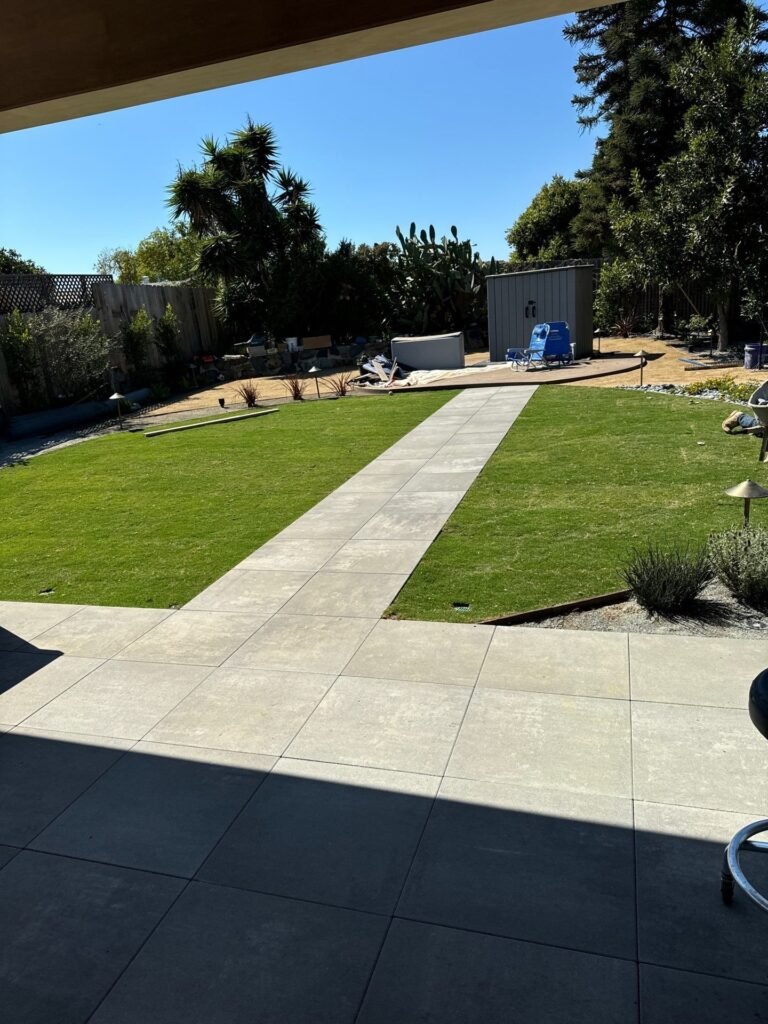
Expanding an existing patio to add more seating, dining, or lounge space, matched to the original pattern and material where possible.
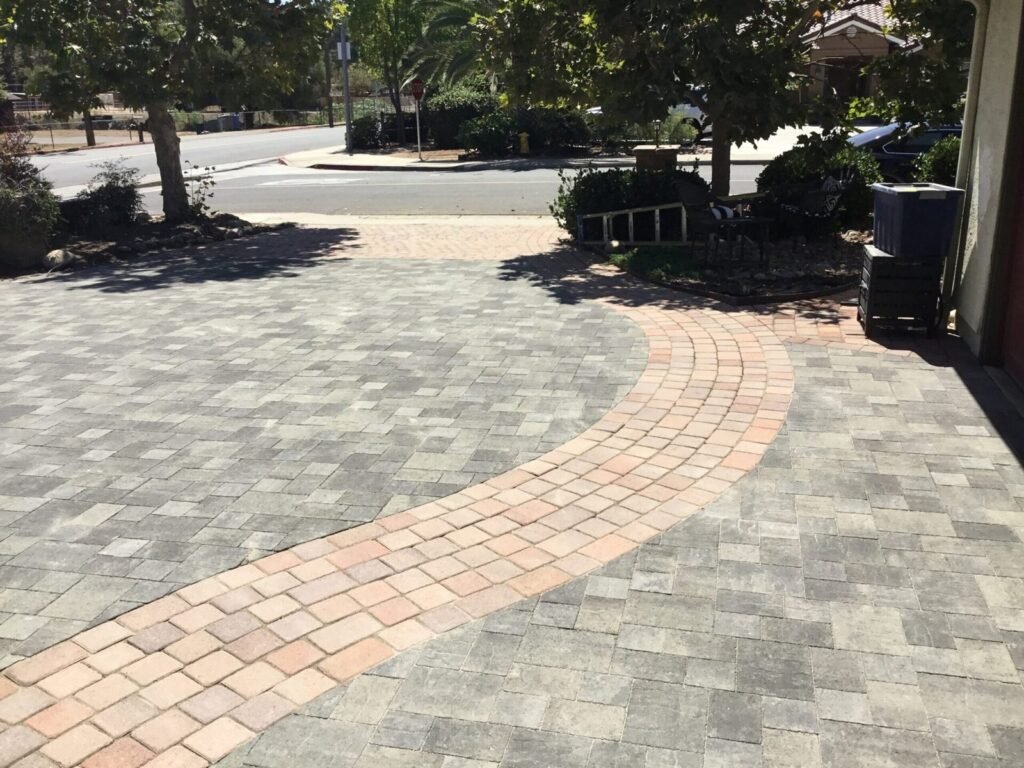
Multi-Level & Tiered Patios
Stepped or multi-level patio designs for sloped yards or properties where a single flat surface isn’t practical.
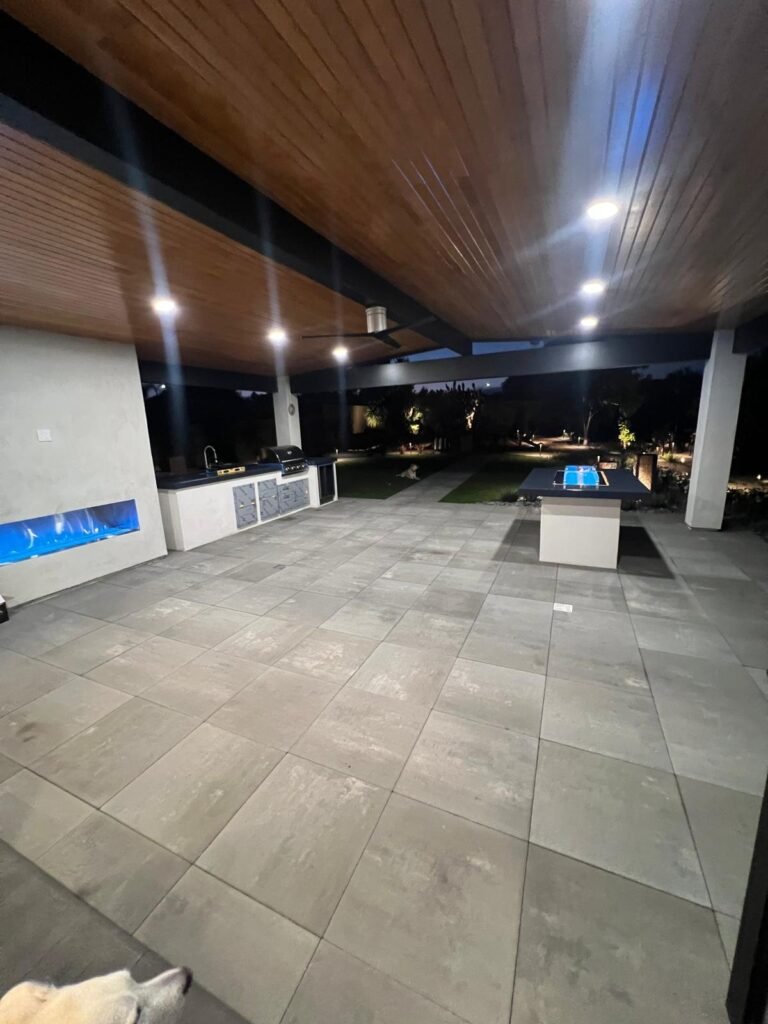
Paver Fire Pit & Seating Area Installation
Dedicated paver areas built to accommodate a fire pit, built-in seating, or a defined gathering space within a larger patio.
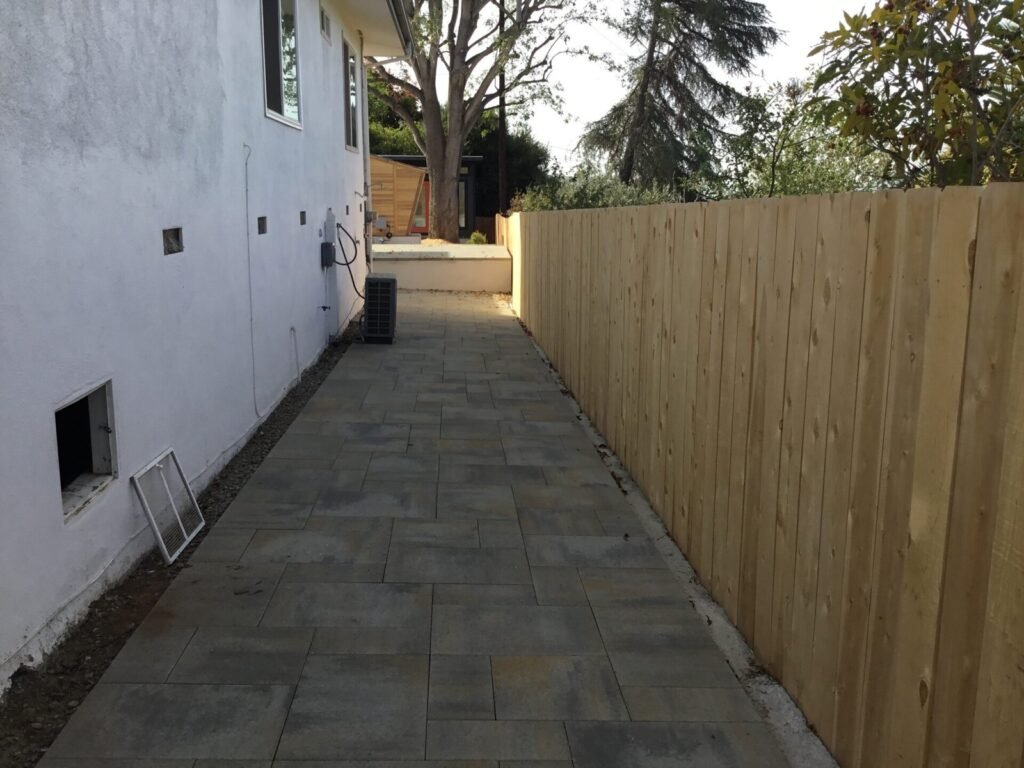
Paver Patio Borders & Edging
Installing or upgrading contrasting borders and edge details that frame the patio and reinforce the perimeter.
Get a Free Paver Patio Installation Estimate in Carmel Valley
Your family deserves outdoor spaces that make you proud and happy every single day. Let’s create something amazing together!
fill out our form for a free estimate
We’ll come to your property, listen to your ideas, and show you exactly how beautiful pavers can transform your outdoor spaces.
Paver Patio Installation in Carmel Valley, CA — Local Overview
Carmel Valley at a Glance
- Location: Coastal North City San Diego, roughly 3–5 miles inland from the Pacific Ocean, within ZIP code 92130
- Bordering communities: Del Mar, Rancho Santa Fe, Fairbanks Ranch, Rancho Peñasquitos, and Torrey Pines
- Sub-communities within 92130: Pacific Highlands Ranch, Torrey Hills, Del Mar Mesa, Carmel Country Highlands, Torrey Highlands, and Ashley Falls
- Population: Estimated in the low-to-mid 40,000s based on recent U.S. Census Bureau American Community Survey data (estimates vary slightly by source and boundary definition)
- Median age: Roughly 40 years
- Housing character: Primarily master-planned residential development, including single-family homes, townhomes, and condominiums built from the 1990s onward
- Terrain: Coastal mesa and canyon topography, with several neighborhoods bordering natural canyons and sloped lots
- Climate: Mild, marine-influenced coastal climate with limited rainfall concentrated in winter months
Why Local Terrain and Climate Matter for Patio Installation
Carmel Valley’s canyon-adjacent topography means many backyards aren’t perfectly flat. Lots bordering canyon slopes or drainage easements often need additional grading before a patio can be built correctly.
The area’s marine-influenced climate keeps temperatures moderate, but the coastal air and seasonal winter rainfall still affect how a base layer compacts and how quickly a poorly graded patio can develop drainage issues.
Because Carmel Valley is a largely master-planned community, many homes were built with existing hardscape, irrigation lines, and mature landscaping already in place. Working around these features carefully during excavation helps avoid damage to irrigation systems or established plantings.
Homes in neighborhoods like Pacific Highlands Ranch, Torrey Hills, and Ashley Falls tend to have smaller, more defined backyard footprints, which often calls for efficient patio layouts that maximize usable space. Larger-lot areas near Del Mar Mesa and Carmel Country Highlands sometimes allow for larger or multi-level patio designs.
How Much Does a Paver Patio Cost in Carmel Valley?
| Project Type | Typical Cost Range | Factors Affecting Price |
|---|---|---|
| Small Patio (100–200 sq ft) | $3,500 – $8,500 | Material choice, pattern, site access |
| Medium Patio (200–400 sq ft) | $8,500 – $17,000 | Excavation depth, base prep, drainage needs |
| Large Patio (400+ sq ft) | $17,000+ | Design complexity, material, existing surface removal |
These are broad industry ranges. Actual pricing depends on your specific site conditions, chosen materials, and project scope.
Factors That Affect Patio Installation Cost
- Square footage of the patio
- Paver material and thickness
- Pattern complexity and amount of cutting required
- Excavation depth and soil conditions
- Removal of existing concrete or hardscape
- Drainage and grading requirements
- Site access for equipment and materials
- Edge restraint type and border details
Local Carmel Valley Factors That Can Affect Cost
Some Carmel Valley properties have sloped or uneven backyards that require additional grading. Others have established landscaping or irrigation that must be worked around during excavation.
Existing concrete patios or walkways may need to be removed before a new paver patio can go in, which adds to project scope. Not every property has these conditions — actual cost depends on your specific yard.
Why a Detailed Estimate Matters
An accurate estimate requires actual site measurements, not just square footage guesses. Soil conditions, drainage needs, and material selection all affect labor and materials.
A detailed estimate helps avoid unexpected costs once work begins. It also gives homeowners a clear picture of what’s included before committing to a project.
Types of Pavers for Patios
Concrete Pavers
Concrete pavers are available in a wide range of colors, shapes, and textures. They’re a common choice for patios because of their durability and moderate cost, though color can fade slightly over time with sun exposure.
Brick Pavers
Brick pavers offer a traditional, warm appearance that suits many home styles. They’re durable but typically come in a more limited color and size range than concrete.
Natural Stone Pavers
Natural stone, such as travertine or flagstone, provides a high-end, organic look with color variation in every piece. Stone is generally more expensive and may require more careful sealing depending on the material.
Porcelain Pavers
Porcelain pavers are dense, low-porosity, and resistant to staining and fading. They tend to cost more than concrete but require very little long-term maintenance.
Large-Format Pavers
Large-format pavers create a clean, modern look with fewer visible joints. They can simplify installation in open areas but require a very well-prepared, level base.
No single material is universally “best” — the right choice depends on budget, style preference, and how the patio will be used.
Popular Paver Patio Patterns & Designs
| Pattern | Best For | Notes |
|---|---|---|
| Running Bond | Simple, modern patios | Easy to install, minimal cutting |
| Herringbone | High-traffic patios | Strong interlock, more cutting required |
| Basketweave | Traditional-style patios | Works well with square or rectangular pavers |
| Modular / Mixed-Size | Custom, upscale designs | Combines multiple paver sizes for texture |
| Border & Contrast Layouts | Defining patio edges | Uses a contrasting paver color or size as a frame |
Pattern choice affects more than appearance. More complex patterns generally require more cutting and labor, which can affect overall project cost.
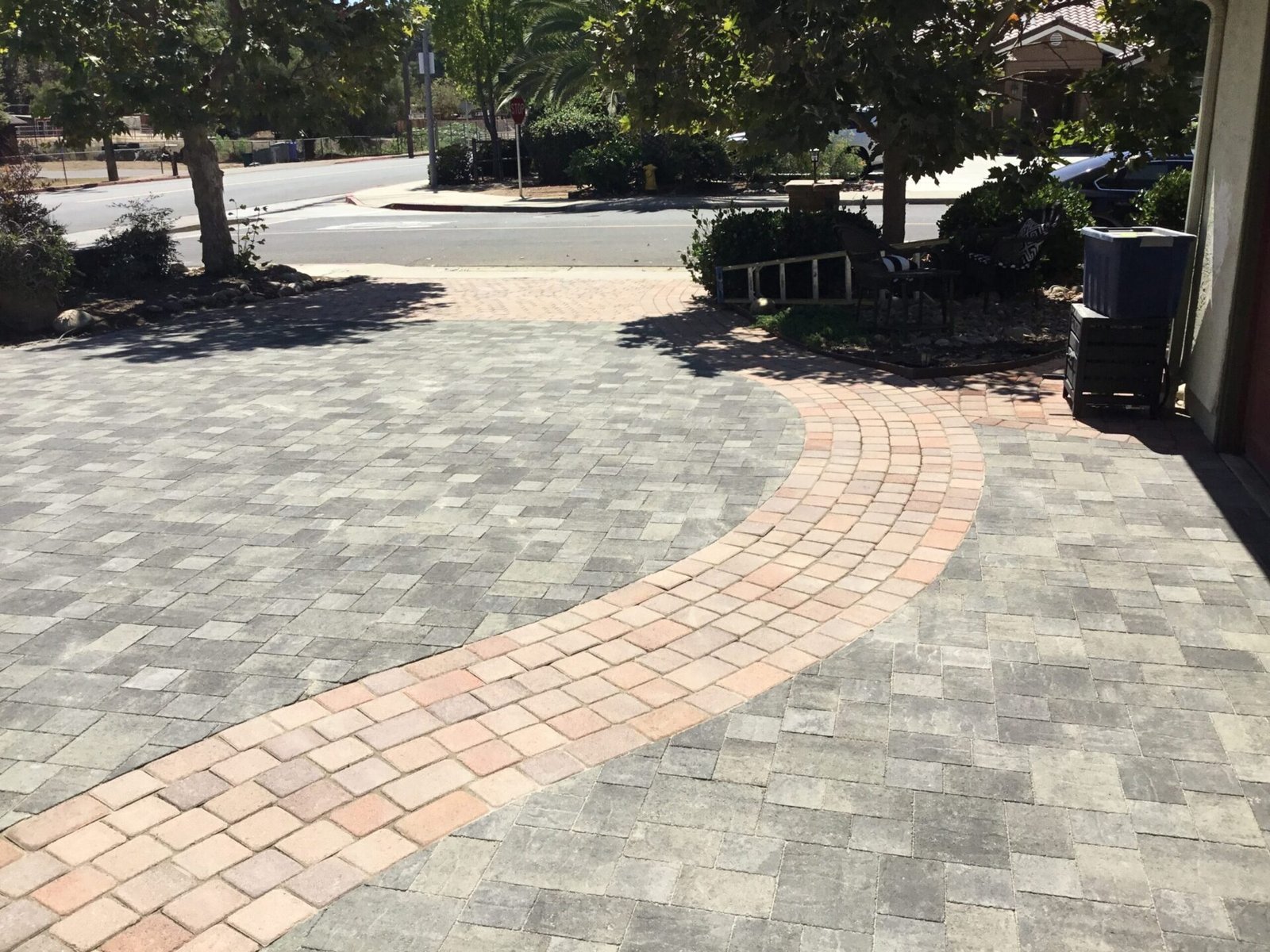
Borders are a popular way to frame a patio without changing the field pattern. A contrasting color or paver size along the perimeter can make a simple layout feel custom.
Curved patio edges are also common in Carmel Valley backyards, especially where the patio meets landscaping or a pool area. Curves require more layout planning and paver cutting than straight edges.
Why Choose Us
Local Knowledge of Carmel Valley Properties
We understand the mix of canyon-adjacent lots, mesa-top terrain, and master-planned neighborhood layouts found throughout Carmel Valley and nearby communities, and we plan every patio around your property’s actual conditions.
Quality Materials and Installation Practices
We install using proper base depth, compaction, and edge restraint methods so your patio is built to perform, not just look good on installation day.
Attention to Site Preparation
Excavation, grading, and drainage planning happen before a single paver is placed, since this stage determines how well a patio holds up over time.
Clear Communication From Start to Finish
You’ll know what’s included in your estimate, what to expect during installation, and what maintenance looks like once the project is complete.
Homeowner-Focused Service
Every patio is planned around how you actually plan to use the space — whether that’s daily family use, entertaining, or simply improving your backyard.
Areas We Serve
We install paver patios throughout Carmel Valley and nearby San Diego communities, including Rancho Peñasquitos, Rancho Bernardo, Rancho Santa Fe, Del Mar, Solana Beach, Fairbanks Ranch, and Scripps Ranch.
Each property is different, so every patio is designed and built around the specific site conditions of your home.
Need Help?
Frequently Asked Questions About Paver Patio Installation in Carmel Valley
Below are some of the most common questions we get from families about Pavers.
How much does a paver patio cost in Carmel Valley?
Most patios range from about $3,500 to $17,000+, depending on size, material, and site conditions.
How long does installation take?
Typically a few days to two weeks, depending on patio size and site complexity.
How long do paver patios last?
Often two decades or more with proper installation and reasonable maintenance.
Are pavers better than poured concrete?
Both have advantages — pavers offer more design flexibility and easier spot repairs; concrete offers a seamless surface.
What size patio is typical for Carmel Valley homes?
Most residential patios fall between 150 and 400 square feet, depending on yard size and use.
Do sloped Carmel Valley backyards affect patio installation?
Yes — sloped or uneven lots often require additional grading and base work.
Are pavers a good fit for outdoor entertaining spaces?
Yes, patios are commonly sized and laid out for dining, seating, or fire feature areas.
Contact Paver Installation Carmel Valley Today!
If you’re planning a new backyard patio, we can help you choose the right materials, pattern, and layout for your space. Every property is different, so every estimate is based on your actual site conditions — not a generic price list.
We serve Carmel Valley and surrounding communities including Rancho Peñasquitos, Rancho Bernardo, Rancho Santa Fe, Del Mar, Solana Beach, Fairbanks Ranch, and Scripps Ranch.
Price your patio before you call anyone
Set the size, material, pattern and what is on the ground now, and see a realistic range with every line broken out — no email required.